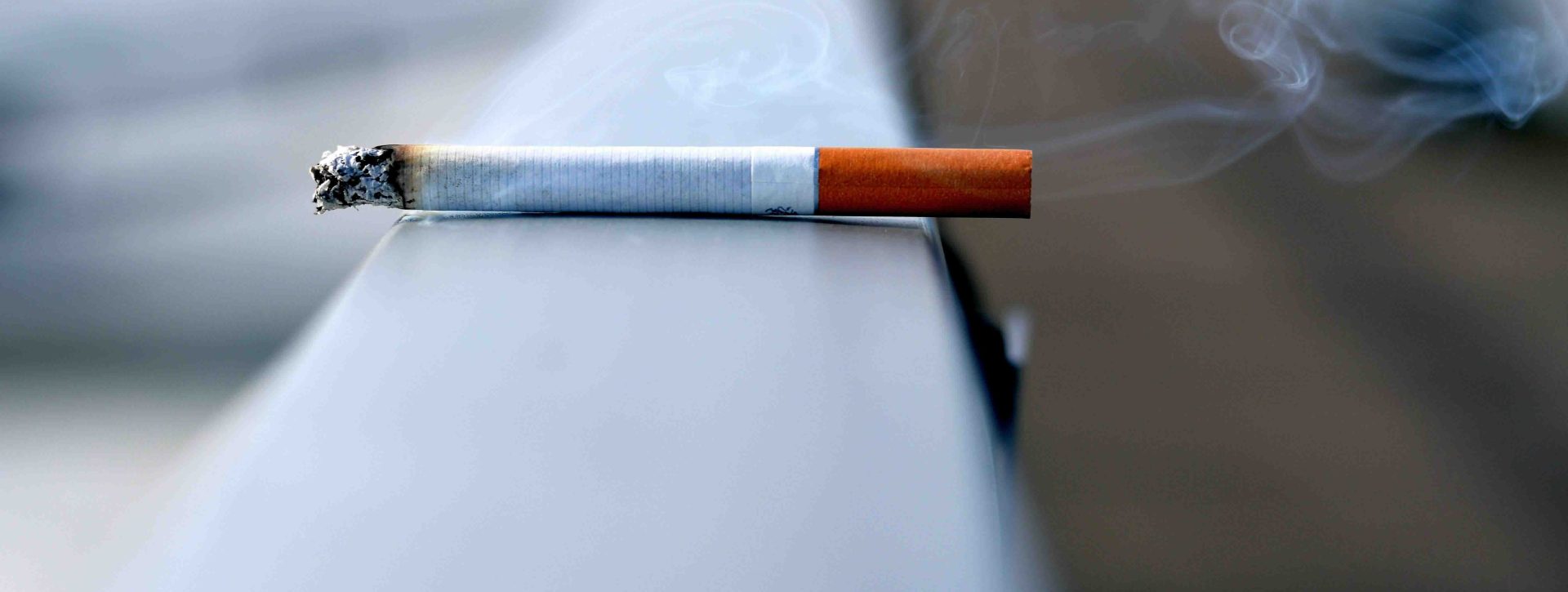
Most people think of smoking in terms of lungs and hearts, but your mouth is the first place the damage starts. Every cigarette sends heat, tar and thousands of chemicals past your teeth, gums, tongue and throat. The effects show up in your smile long before they show up anywhere else.

How does smoking affect your teeth and gums?
- Gum disease. Smoking is one of the biggest risk factors for gum disease. It weakens the immune response in your gums, so your body struggles to fight the bacteria in plaque. The result is infected, receding gums and, in advanced cases, periodontitis, which destroys the bone holding your teeth in place. Smokers are also far more likely to lose teeth.
- Hidden warning signs. Nicotine narrows blood vessels, which reduces blood flow to the gums. Smokers' gums often bleed less than they should, so the usual early warning sign of gum disease can be masked while the damage carries on underneath.
- Staining and bad breath. Tar and nicotine stain teeth yellow and brown, and the discolouration can become stubborn. Smoking also dries the mouth and leaves lingering odour, so bad breath becomes a constant companion.
- Slower healing. Because blood flow is reduced, smokers heal more slowly after tooth extractions, gum treatment and dental implants. Implants are also more likely to fail in smokers.
- Dulled taste and smell. Food simply tastes less vibrant when your taste buds and sense of smell are under constant assault.
- Mouth cancer. This is the most serious risk. Smoking is a leading cause of cancers of the mouth, tongue, lips and throat. Dentists are often the first to spot early signs, such as ulcers that won't heal, red or white patches, or unexplained lumps, which is another reason to keep up with regular dental check-ups.
Why Stoptober works
Stoptober is the UK's annual stop-smoking challenge, asking people to quit for 28 days in October. The idea behind it is well supported: if you can get through 28 days without smoking, you are around five times more likely to stay smoke-free for good.
The first few weeks are the hardest stretch, and Stoptober gives you a clear goal, a start date and a crowd of people going through it with you.
Quitting is also far easier with support. Stoptober offers free resources, including an app, daily encouragement and tips for getting through cravings. Your pharmacist or local NHS stop smoking service can add to that with nicotine replacement products or prescription medication, and using that kind of support roughly doubles your chances of success compared with going it alone.
What happens to your mouth when you stop smoking?
Your mouth starts recovering faster than you might expect.
Within days, taste and smell begin to sharpen and breath freshens.
Within weeks, blood flow to the gums improves, so they can fight infection and heal more effectively.
Over the following months and years, your risk of gum disease falls, your teeth stay cleaner and brighter, and your risk of mouth cancer drops steadily the longer you stay smoke-free.
Make this October count
If you're ready to quit, tell us! Our dentists can check your gums, help you plan, and cheer you on as your mouth recovers.
Stoptober is already underway, but you don't need a perfect start. Anytime is good, and every smoke-free day is good for your teeth, your gums and the rest of you. Book an appointment now if you’d like more information and support to help your oral health flourish.
Find
Your Treatment
Book an appointment
If you’d like to find out more about our dental services, how we can help you or to book an appointment, please get in touch now and one of our friendly team will be happy to talk through your options.